
Voices from the Collective
Expert interviews, field insights, and the conversations shaping female athlete health.
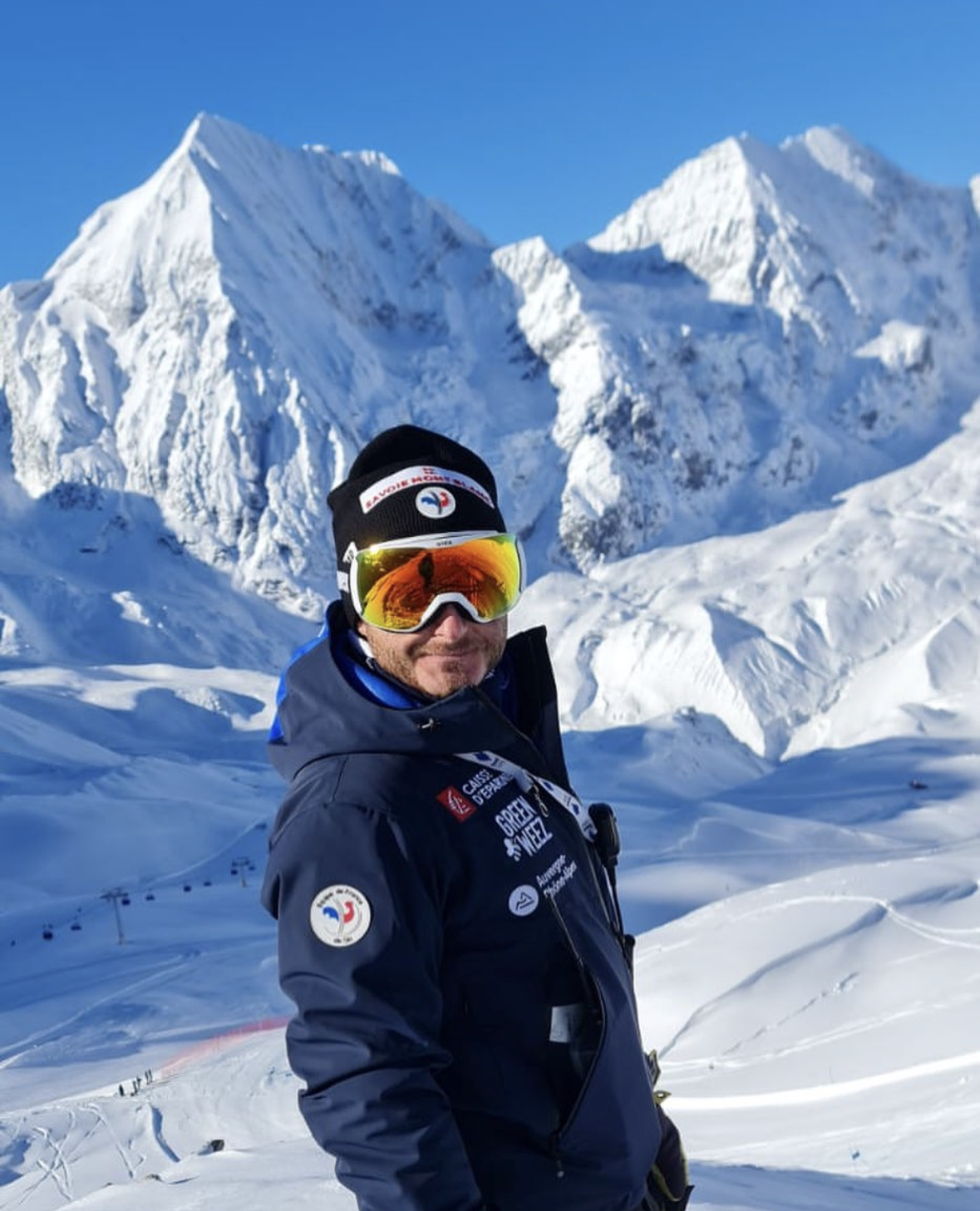
Clement Perez (France)
Clement has spent seven seasons on the Women's World Cup speed circuit. He says the biggest gap in female athlete support isn't technical. It's hormonal, psychological, and human. Trust, honesty, and knowing when to push are the foundation. Cycle-based training planning is where he sees the biggest opportunity still untapped. And as a girl dad, he knows exactly what's at stake.
"To coach female athletes, you must truly believe in them and in what they do."
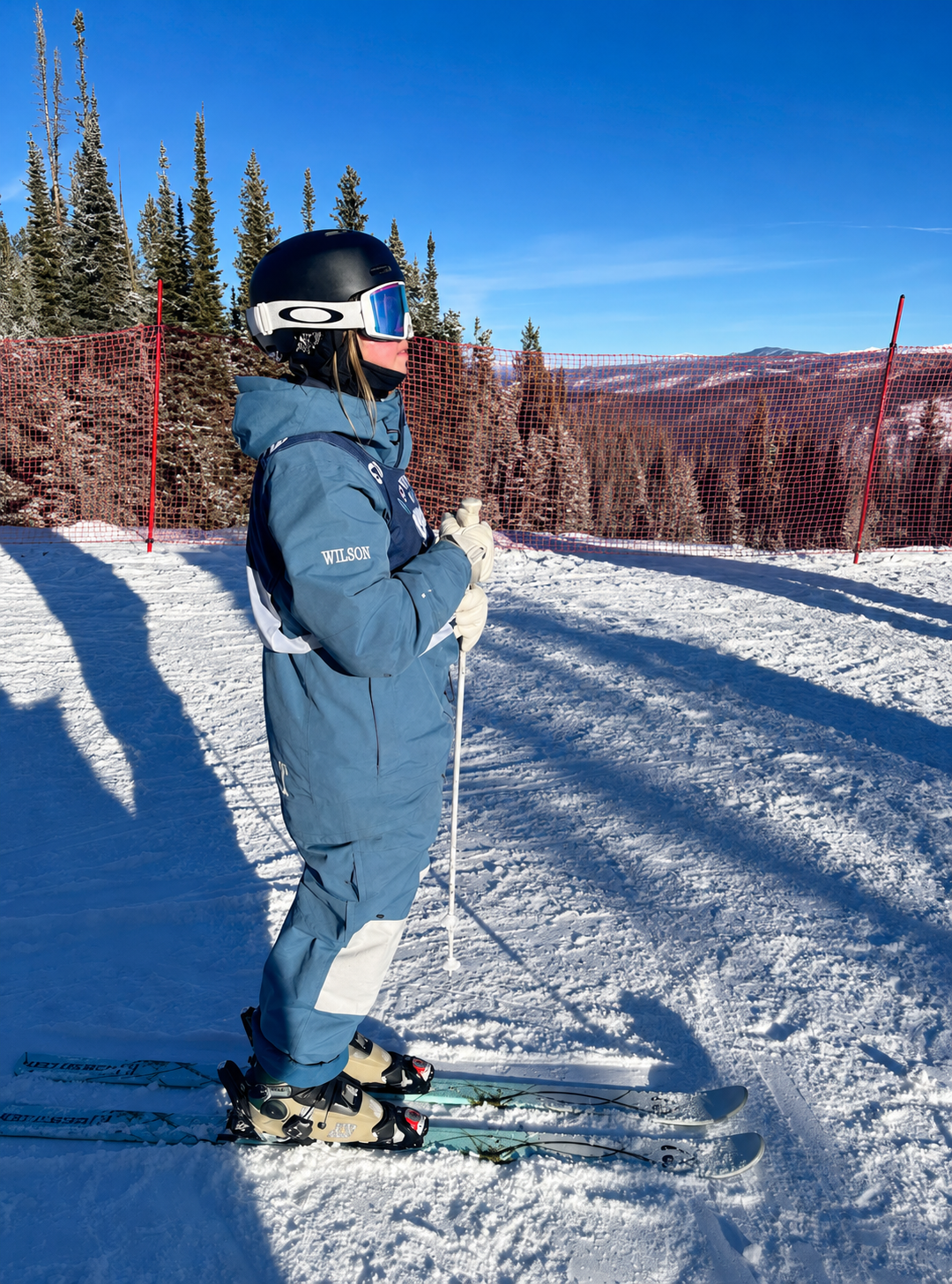
Reise Wilson (Colorado, USA)
Reise has been competing in mogul skiing for over six years and has learned that being a female athlete comes with challenges no training plan prepares you for. She describes bleeding through her kit at her first away competition after a coach told her to wait. She talks about tearing her ACL and discovering the recovery research was based on male athletes. And she speaks honestly about the mental load of competing while navigating identity, social pressure, and a body she was never properly taught to understand.
"I learned that being a female athlete requires understanding your body and fueling it properly which is difficult with constant social pressure and comparison."

Holly Lipson (Australia)
Holly is a sports and exercise physiotherapist who has spent 11 years inside elite sport across winter sport, surfing, and skateboarding. On the road, her role goes far beyond injury management. She builds the conditions for performance. Her biggest concern is a gap that starts before the athlete even walks in the door: most sports medicine research has been done on male athletes and generalised to females. As a mum of two girls, she knows exactly why getting this right matters beyond the finish line.
"There is a gender gap within the research itself. A lot of research is done on males alone and then generalized to females, which really is not appropriate in a lot of cases."
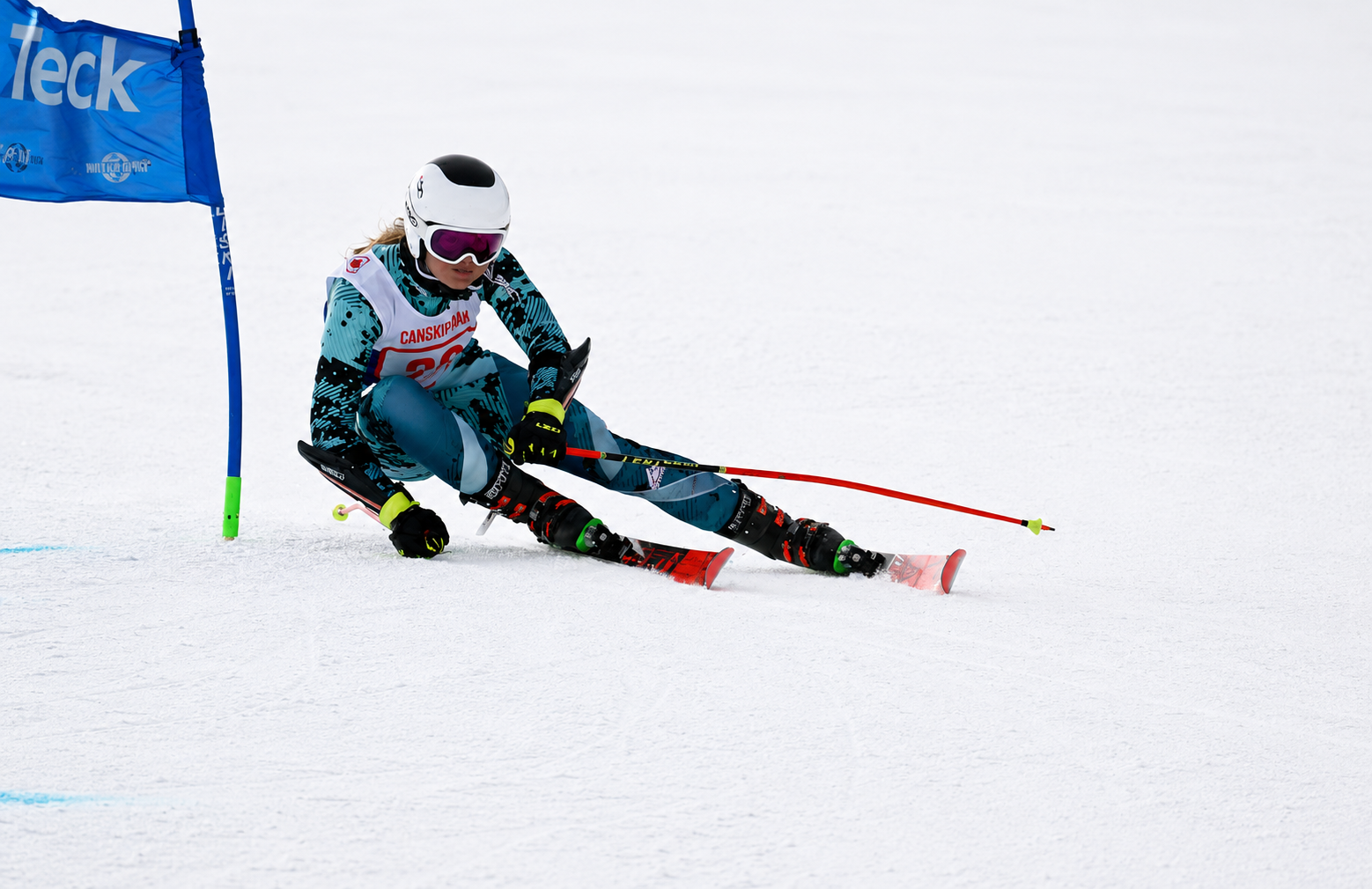
Kat Cosby (Colorado, USA)
Kat is an alpine ski racer from Steamboat Springs who has been on snow since she was two. She noticed the gap between male and female athletes early in dryland sessions, in recovery, and in the injury patterns she kept watching unfold around her. She talks about confidence as the silent performance variable nobody addresses properly, why research built on male bodies is failing female athletes in rehab, and why the sports psychologist she started working with last year changed everything. Someone outside the coaching line who was just there to listen.
"When your team has full belief in your ability that is when I feel my most confident."
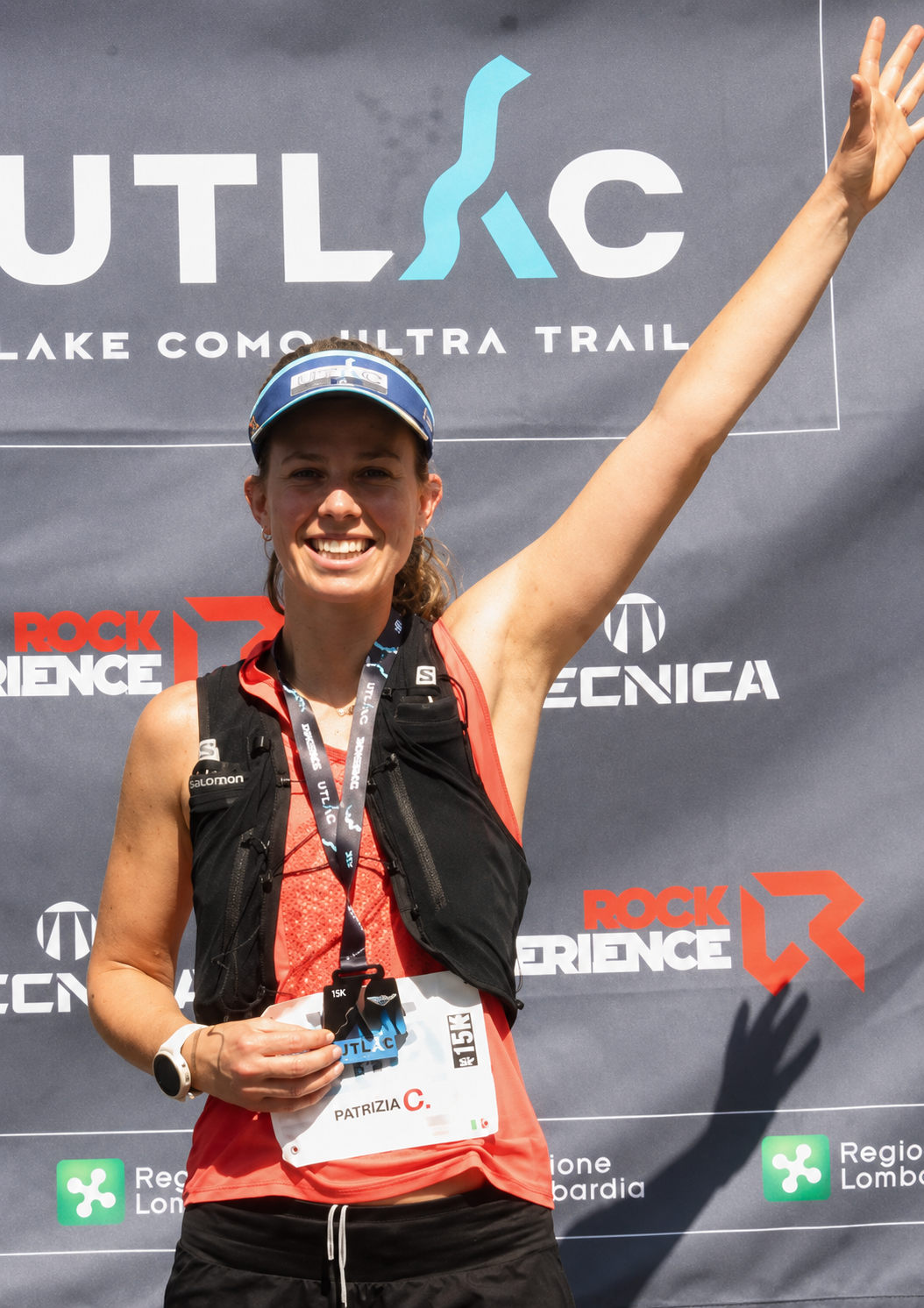
Chanelle Scott-Crossley (South Africa/Netherlands)
Chanelle is a sports chiropractor with international accreditation who has worked across powerlifting, elite mountain biking, rugby, and boxing. She is also a female athlete herself and that is exactly where her perspective comes from. She talks about the menstrual cycle as a performance variable that most programmes still ignore, why the gap between knowledge and implementation is the real problem, and why the first question she asks every female athlete she works with is the simplest one of all. Do you have a regular cycle? Because that answer tells her everything.
"When you start working with your physiology instead of fighting it can become a real advantage. A kind of superpower."
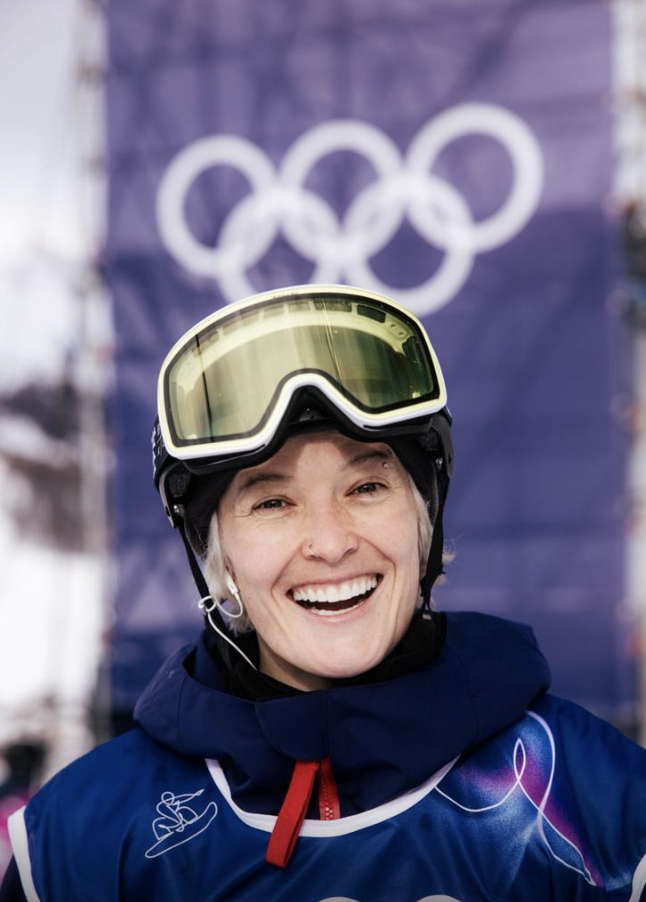
Maddy Schaffrick (Colorado, USA)
Maddy retired from professional snowboarding at 20, became a coach, became a programme director, went back to competing, and made her first Olympic team at 31. She has seen elite female sport from every angle. She says female athletes stay quiet about what they are going through mentally, emotionally, and physically because they feel misunderstood. Maddy says that silence is what holds them back. She talks about cycles, ageing, and the moment she realised that women are not weaker than men. They are just different. And that difference, understood properly, is a strength.
"We end up staying quiet about what we are going through mentally, emotionally and physically. It becomes a solo journey that holds us back from learning about our own needs and true potential."

Ready to bring HerSport into your team, your school, your season?
We respond within 48 hours.